The Shift Toward Phygital Cultural Experiences
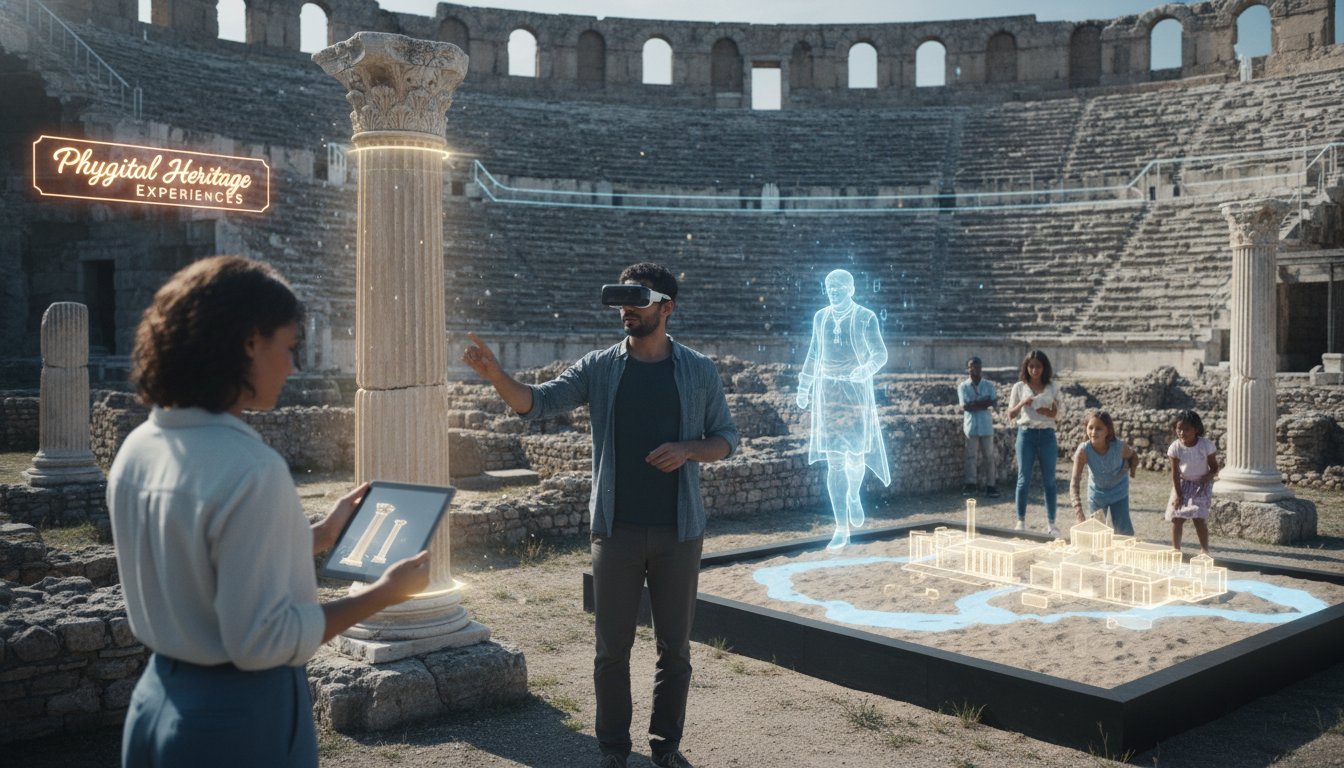
Walking through the narrow sikkas of the Al Fahidi Historical Neighborhood, visitors are no longer just looking at coral-stone walls. They are witnessing a transformation where the physical world meets the digital. This convergence, often called ‘phygital,’ is at the heart of Dubai’s latest cultural push. By integrating Augmented Reality Heritage into the city’s oldest districts, the Dubai Culture & Arts Authority is making history accessible to a generation that consumes information through screens.
This shift isn’t just about flashy visuals. It is a strategic move to preserve the intangible stories of the UAE—the songs of pearl divers, the specific techniques of dhow building, and the social etiquette of the majlis—that might otherwise fade. Through mobile applications and AR headsets, these stories are superimposed onto the physical environment, allowing a visitor to see a bustling 19th-century trade hub while standing in a quiet courtyard today.
The Practical Impact of Augmented Reality Heritage
The implementation of Augmented Reality Heritage has fundamentally changed how museums like Al Shindagha operate. Instead of static plaques, visitors use tablets to trigger animations that show the historical expansion of the Dubai Creek. According to UNESCO, the preservation of such cultural sites is critical for maintaining local identity in a rapidly globalizing world. Dubai’s approach ensures that while the city grows into a futuristic metropolis, its roots remain visible and interactive.
For tourists, the experience is transformative. They can point their devices at an empty stretch of water and see a fleet of traditional boats appear, complete with historical data about the goods they carried. This level of immersion increases engagement times and educational retention, making Augmented Reality Heritage a powerful tool for schools and researchers alike. It moves the museum experience from a passive walk-through to an active exploration of the past.
Navigating the Legal and Business Framework
Building these high-tech cultural experiences requires a complex collaboration between government entities, tech developers, and historical consultants. For international firms entering the Dubai market to provide these solutions, navigating the local regulatory environment is a prerequisite. Establishing a presence often involves significant paperwork, where many businesses utilize a Power of Attorney Dubai to manage their administrative and legal affairs efficiently. This ensures that intellectual property rights for digital reconstructions are protected under UAE law.
Furthermore, the Dubai Creative Economy Strategy aims to double the contribution of the creative industries to the city’s GDP. This means more funding for projects that utilize Augmented Reality Heritage, but it also means stricter standards for historical accuracy and data privacy. Developers must work closely with historians to ensure that the digital layers they create are not just entertaining but are authentic reflections of Emirati culture, as documented by sources like the Encyclopedia Britannica.
Future-Proofing the UAE’s Cultural Identity
As the technology matures, we can expect Augmented Reality Heritage to move beyond museums and into the very fabric of the city’s streets. Imagine walking through Deira and seeing the evolution of the Gold Souq through a pair of lightweight AR glasses. This constant presence of history in the modern world helps maintain a sense of continuity for residents and provides a deeper layer of meaning for the millions of tourists who visit annually.
The success of Augmented Reality Heritage in Dubai serves as a blueprint for other cities in the region. By treating history as a living, breathing asset rather than a relic of the past, Dubai is ensuring its cultural narrative remains relevant. The integration of Augmented Reality Heritage is not just a technological feat; it is a commitment to the idea that the future of the city is built directly upon the foundations of its past. As more sites adopt these tools, the line between history and the present will continue to blur in the most engaging way possible.
The role of Augmented Reality Heritage will only grow as AI and spatial computing become more sophisticated. We are entering an era where the walls of a museum can talk, and the ground beneath our feet can show us where we came from. For a city that moves as fast as Dubai, these digital anchors are more important than ever.
For more insights on this topic, visit Dubai Culture.
Phygital Heritage Planner
Customize your Dubai Culture digital experience